Neurobiological Effects of Exercise on Major Depressive Disorder a Systematic Review
Introduction
Depressive symptoms and clinically relevant depressive disorders are a common threat to the mental health of children and adolescents (1). Depression is the leading crusade of several diseases and disabilities in these age groups, which is why research on this topic should be intensified (ii). Depression has multiple levels of severity (mild, moderate, or astringent). It may announced as a single symptom of sadness, dejected mood or a complex of other symptoms described below. Low in a nosological sense is diagnosed when a specific combination of symptoms occur over a definite period of fourth dimension and with a particular intensity (3). The DSM-5 (Diagnostic and Statistical Manual of Mental Disorders) defines major low as having 5 or more than symptoms over a period of two weeks (4). Symptoms include depressed or irritable mood, macerated interest or pleasure, insomnia or hypersomnia, psychomotor agitation or retardation, fatigue or loss of energy, feelings of worthlessness or inappropriate guilt, diminished ability to concentrate, recurrent thoughts of decease, suicidal ideation with or without a specific plan or a suicide attempt. A persistent depressive disorder (dysthymia) is diagnosed when depressive symptoms are present for nigh days over at least 1 year. Compared to major depression, the symptoms are milder (iv).
Common interventions confronting low are pharmacological treatments and psychotherapy (5). Selective serotonin reuptake inhibitors (SSRI) are mutual interventions for clinical depression, even so, side effects like weight gain, increases in blood pressure, and impairment of sexual functions are experienced (6). Furthermore, the effectiveness of antidepressants was questioned by placebo-controlled clinical trials showing but a small event size (7). Psychological and pharmacological therapies had similar efficacies in the treatment of depressive disorders (8). Still, active medication had a small but significant contribution to the overall efficacy of combined treatments (nine). One review directly compared typical treatments using 7 meta-analyses (with a full of 53 studies) for 7 major types of psychological treatment for mild to moderate adult depression (cognitive-behavior therapy, nondirective supportive treatment, behavioral activation handling, psychodynamic treatment, problem-solving therapy, interpersonal psychotherapy, and social skills training). In that location was no indication that i of the treatments was more or less efficacious, with the exceptions of interpersonal psychotherapy (which was more effective; d = 0.20) and nondirective supportive treatment (which was less constructive than the other treatments; d = −0.13) (8). New avenues to care for major depressive disorders in adults are offered such as ketamine (10), nutritional interventions such as thiamine (11), and omega-iii-polyunsaturated fatty acids (12–15) as well every bit neuromodulation (16).
Following the same profile as the SSRI fluoxetine, beast studies indicated that physical exercise training could be a useful tool in preventing and treating depressive disorders (17). This like shooting fish in a barrel to apply and cheap intervention is an effective intervention against depression (18, nineteen) with similar effectiveness compared to other forms of treatment in adult humans (twenty) plus information technology also provides positive side effects (21).
Adult samples dominate this field of research (22) but historic period seems to have a significant impact on the effect of exercise on depression (23). Early on childhood onset of low increases chances for depression later in life and has a negative touch on on psychosocial development (5, 24, 25). For example, it has been shown that college society cortical development is dependent on the development of lower order cortical regions (26). Nosotros are going to sum upward the current literature dealing with the do furnishings on depression in children and adolescents in the following paragraph.
Characteristics of Depression in Children and Adolescents
The World Health Arrangement defines adolescence equally the stage between 10 and 19 years of age (27). The American University of Pediatrics extended this stage to 21 years with the so-called late adolescence (28). This newspaper follows the extended definition.
Low is one of the most mutual mental disorders in children and adolescents. Co-ordinate to a meta-analysis carried out by Costello, Erkanli (one) including studies from around the globe, the estimated prevalence in immature children (under thirteen) is 2.8%. Furthermore, v.6% of all adolescents (13 to eighteen years) suffer from low, and the number of female patients (5.9%) is higher than the number of male patients (iv.6%). In the National Comorbidity Replication report information technology was shown that mental health disorders' onset (similar depression) peaks at the historic period of 14 years (29, 30). Co-ordinate to the WHO, depression and anxiety disorders are among the top five causes of overall disease burden amongst children and adolescents in Europe (31). Depressive symptoms and clinically relevant depressive disorders in young children tin can accept a huge negative touch on the psychosocial evolution of the individual and can increase the risk of suicide (5, 25). Suicide is the third most mutual cause of death in adolescents (2). In full general, depression is associated with a shorter lifespan (32).
Although psychological disorders in children and adolescents have non dramatically increased over the past decades for girls there seems to exist a significant change in the prevalence of depression compared to earlier decades (33). This sex difference, withal, seems not to appear before the end of Tanner phase Three, suggesting hormones being involved in the pathophysiology of this disorder (30, 34). The average duration of a major depressive episode in children is seven to 9 months (35), while ninety% of children with depression recover from such an episode (36). In some cases, depression has a chronic progression that reduces the likelihood of therapy success (25). Furthermore, every single depressive episode increases the risk of recurrence (37).
In the handling of mild and moderate depressive symptoms in children and adolescents, nonpharmacological approaches such every bit psychotherapy play a major office. A 2006 meta-analysis found modest benefits for psychotherapy versus control (38) which was confirmed by Eckshtain, Kuppens (39) with effects being significantly larger for interpersonal therapy (40) than for cognitive behavioral therapy (CBT). A network meta-analysis (NMA) of youth depression treatment and prevention studies, conducted past Zhou, Hetrick (41), found only CBT and IPT to exist significantly more than benign than most command weather condition. A severe symptomatology may demand a combination with antidepressants. A report conducted with adolescents by Foster and Mohler-Kuo (42) found that the combination of cognitive-behavioral therapy and fluoxetine was more than constructive than drug therapy alone. The SSRI fluoxetine is the first-selection medication for the treatment of juvenile low. As second-choice antidepressants the SSRIs sertraline, escitalopram, and citalopram might be used (43). Side furnishings of a pharmacotherapy in adolescents are comparable to those in adults including sedation, agitation, weight proceeds, sleep issues, vegetative symptoms, and sexual dysfunction (43). Electroconvulsive therapy apply in adolescents is considered a highly efficient option for treating low, achieving high remission rates, and presenting few and relatively benign adverse effects. Risks can be mitigated past the correct apply of the technique and are considered minimal when compared to the efficiency of ECT in treating psychopathologies (44).
Preliminary results besides propose repetitive transcranial magnetic stimulation as an effective and well tolerated antidepressant handling for adolescents with treatment resistant depressive symptomology (45).
Physical Exercise and its Benign Touch on Health
It has been already demonstrated that concrete do as well as concrete activity tin can cause benefits at both, physical and mental level (46–48). Physical activity interventions have shown to be efficient non merely to produce therapeutic benefits when implemented solely or as a office of a treatment for mental disorders, simply too to prevent or delay the advent of mental disorders (49). Additionally, physical exercise was constitute to be effective in treating symptoms and in reducing the mortality related to major depression (32). Equally this review discusses, meta-analyses on the depression-reducing effect of exercise in children and adolescents (50–53) so far suggest small to medium furnishings in this age grouping. Further moderating variables (due east.grand., dose specificity) could not be identified so far (51) although study quality and participants' characteristics (due east.g. overweights as targets) seem to affect results (50). Several mechanisms take been suggested as responsible for the positive effects of exercise on depression including changes in HPA centrality activity, mononamine levels, and neurotrophic growth factors also equally the accommodation of different neural structures [for an overview run into Wegner, Helmich (19)].
Forth with antidepressant drugs and psychotherapy, physical exercise is a promising selection to treat depression. However, in reports exercise is frequently used synonymously with physical action (54), which can be misleading. Physical activity is an umbrella term that includes sub-categories such equally sports, leisure activities, dance, and physical practise (55). The American College of Sports Medicine (56) defines physical activeness as any bodily movement produced past the contraction of skeletal muscles that results in a substantial increment in caloric requirements over resting energy expenditure. Concrete exercise, the concept of involvement in this article, is characterised equally a training exercise intervention that is planned and structured, repetitive and purposeful, leading to a change in fitness (54). We think that interventions can only run by practise not by physical activity. Therefore, it tin be said that physical exercise is always concrete activity, only physical activeness is not necessarily physical exercise. Nonetheless, we also included physical activity to our search because the use of do every bit an intervention for the treatment of mental health diseases is however used vaguely (57).
This commodity aims to evaluate whether children and adolescents with depression benefit in the aforementioned way from physical do preparation as adults do. The relief of depressive symptoms in both clinical and nonclinical samples was analysed.
Materials and Methods
Protocol and Registration
The protocol of this systematic review was registered on July 20, 2018 in PROSPERO (International prospective register of systematic reviews) at world wide web.crd.york.ac.u.k. nether the PROSPERO-ID CRD42018100357.
Eligibility Criteria
To determine if a meta-analysis was appropriate for this article the single studies included had to fulfill the eligibility criteria displayed in Table 1. In society to construction the eligibility criteria, the PICOS arroyo (58) was used by implementing five categories: population, intervention, comparator, outcome, and written report design. Merely meta-analyses, including longitudinal studies with control groups, were considered for inclusion. Their results are usually put in relation to a baseline collected at the commencement of the study, which allows a comprehensive agreement of the degree and direction of alter over time (59).
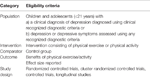
Tabular array 1 Eligibility criteria by category (PICOS).
Furthermore, the meta-analyses had to be published in a peer-reviewed journal and in the English language. All limitations were set earlier the literature search was conducted.
Search Strategy
A wide literature search strategy was adult using keywords and Medical Bailiwick Headings from four categories: population, outcome, intervention blazon, and study pattern (Supplementary Material Tabular array S1). The search terms from each category were combined in order to locate all relevant literature using the post-obit databases: PsycINFO (EBSCO Interface), PsycARTICLES (EBSCO Interface), MEDLINE (via PubMed) and PubMed. The search was last conducted December 12, 2019.
Study Option
The choice of meta-analyses was carried out independently by ii researchers. Any disagreement between them was solved through give-and-take with a third reviewer. Subsequently deleting duplicates, the relevant articles were selected by screening the titles and examining the abstracts. Full-text articles were retrieved and scanned when abstracts did not provide sufficient data.
Information Extraction
For each of the included meta-analyses the post-obit data was extracted independently past ii researchers: Information about the included unmarried studies (design, sample size, sample characteristics, low assessment, intervention characteristics, command group characteristics) and data about the meta-analyses (risk of bias assay, upshot sizes, methodological characteristics). A data extraction form was used.
Quality Assessment
All contained meta-analyses performed a adventure of bias analysis to appraise the quality of the included single studies. Additionally, they focused on publication biases. In order to compare the information, the quality analyses were extracted and examined. To assess the methodological quality of the included systematic reviews with meta-analyses, the AMSTAR 2 checklist (a measurement tool to assess the methodological quality of systematic reviews) (threescore) was filled out independently past three researchers.
Effect Size Calculations
In all meta-analyses included, the standardized hateful difference (SMD = K1 – 10002 /SDpooled ) was used as the measure for effect size. The reported effect sizes of each ane of the included meta-analyses were combined and a general effect size was calculated and discussed.
Additional Analysis
A subgroup analysis regarding the effect size for only clinical samples was carried out, agreement clinical samples equally those including participants in treatment for a depressive-related disorder or with a formal diagnosis of a depressive disorder. Therefore, the single studies within the selected meta-analyses which examined clinical participants were extracted, the overlap studied, and the effect size calculated. Regarding the assessment of heterogeneity, a visual inspection of the forest plot and the I2 value was fabricated. According to the estimation guide provided past Higgins and Light-green (61), while Itwo examination results ranging from 0% to 40% might not report relevant heterogeneity levels, results from 30% to 60% may betoken moderate heterogeneity and between 50% and ninety% substantial heterogeneity.
Potential publication bias was evaluated using a funnel plot. All statistical analysis and calculations were performed using the Review Managing director (RevMan) software (62).
Results
Study Selection
A total of 1,941 studies were identified in the literature search process to seek out systematic reviews with meta-analysis focused in this field. After removing duplicates, two contained researchers reviewed ane,152 titles and abstracts. Whatsoever discrepancy between researchers was discussed with a third reviewer. A consensus was reached and ended in a full of 23 potentially relevant studies. Those 23 studies were reviewed in full text. Four studies met the eligibility criteria and were included in this review (fifty–53) (for more data see the Menstruation chart of the selection process, Figure 1). A tabular array with the excluded studies tin exist found equally Supplementary Material Table S2.
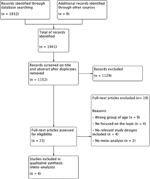
Figure 1 Menstruation chart of the option process.
Study Characteristics
The general characteristics information of the four meta-analyses included were extracted by ii reviewers using a data extraction grade and were summarized in Table two.
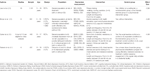
Table 2 General characteristics of included meta-analyses.
Methodological Characteristics
Of the four meta-analyses included, merely 2 included RCTs (52, 53). The other two meta-analyses included RCTs and too other study designs of lower quality. Radovic, Gordon (51) included five RCTs and 3 controlled trials (CTs). The meta-assay of Brown, Pearson (50) covered five RCTs, two CTs, ane cluster randomized CT (CRCT) and one quasi-experimental study (QES).
Several questionnaires for reporting low issue measures were included in the single studies. The Beck Low Inventory (BDI) (63) was by far the most frequently used one. The beingness of control groups is reported in the four meta-analyses (50–53). Their nature varied betwixt unmarried studies: without intervention, on a waiting list, low intensity practice, or the usual exercise routine, among others (Tabular array 2).
Intervention Characteristics
The type of intervention differed between single studies. In iii of the four included meta-analyses (50–52), aerobic practise was the most used intervention. Carter, Morres (53) besides included articles using some form of aerobic and/or resistance/strength grooming in the intervention. Within the single studies, the duration of the interventions varied from 4 to 40 weeks. In the meta-analysis of Radovic, Gordon (51), the maximum duration was but twenty weeks, whereas the minimum in Brown, Pearson (50) was at least 9 weeks. The approximated medium elapsing of all of the interventions was 11.5 weeks.
Regarding the frequency of the interventions, Brown, Pearson (50) and Radovic, Gordon (51) included single studies with a frequency of 2 to 5 days per week. In Carter, Morres (53) and Larun, Nordheim (52), the majority of studies included three sessions per calendar week. In general, the mostly adopted frequency of implementation was iii times per calendar week. The duration of the practise interventions varied betwixt 5 and 90 min per session. The minimum of min was included past Larun, Nordheim (52). Carter, Morres (53) also included single studies with a minimum duration of 15 min only, whereas the other meta-analyses included minimums of twenty or 25 min. The maximum of a 90-min intervention was shared by all meta-analyses. The approximated medium duration of sessions was 41 min.
Participants Characteristics
The number of participants included in each meta-analysis varied co-ordinate to the sample size of the single studies. Larun, Nordheim (52) had the largest sample. They included 16 studies and reported 1,191 subjects. The smallest sample was found in Radovic, Gordon (51), with 8 studies and 297 subjects. Dark-brown, Pearson (50) integrated 9 single studies and a total of 581 subjects. Carter, Morres (53) used eleven single studies, although only viii of them (including 445 subjects) were eligible for their meta-analysis. Those numbers led to a full of 41 single studies and ii,514 subjects every bit a base for this assay.
The overlap of single studies within the iv analyzed meta-analyses (Table 3) acquired a reduction to a final number of 30 single studies and two,110 subjects for this review. The number of participants reported from each meta-assay regarding the single studies did not always match. Some took the starting sample while others selected the terminal sample after driblet outs. In this article, the latter was reported. This tin be seen with the example of a single study (64) which was included in the 4 selected meta-analyses for this review (50–53). Ii of the meta-analyses (51, 52) reported a sample size of 43 participants whereas Carter, Morres (53) reported threescore participants and Brown, Pearson (l) reported 30 participants. In the original article (64) lx subjects started the program (30 control group; 30 experimental grouping). Even so, only 23 subjects of the experimental group and xx of the control group completed the whole study, giving a last sample of 43 participants.
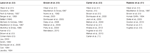
Table 3 Overlap of single studies.
The age of the participants ranged between 5 and xx years. The characteristics of the included populations in each meta-analysis varied from normal population: healthy samples, to at-take a chance groups: juvenile delinquents, pregnant adolescents, obese children, or clinically depressed populations: with major depressive disorder (MDD), with primary diagnostic of childhood depression and dysthymia or with moderate depressive symptoms.
Three of the included meta-analyses consisted of both clinical and nonclinical samples. Brown, Pearson (50) did not include clinical samples with regards to understanding a clinical sample every bit the sample with a formal diagnosed low using clinical recognized diagnostic criteria. Larun, Nordheim (52) and Radovic, Gordon (51) both included 3 single studies with clinical samples. Carter, Morres (53) included five studies with clinical samples. Due to the overlap of those eleven studies, six single clinical studies were finally identified.
Two of those six concluding unmarried studies integrated adolescents with diagnosed major depressive disorder (67, 68). 1 report included adolescents with dysthymia and chief diagnosis of carry disorder (66). Cohen-Kahn (69) and Kanner (65) included psychiatric inpatients. In the second 1, the patients had moderate or severe levels of depression. In Carter, Guo (seventy), the participants were also receiving a wellness or social care professional person treatment for depression.
Quality Cess
Quality Assessment of Single Studies
All included meta-analyses conducted a risk of bias assay regarding the single studies. 3 of them (50, 51, 53) used the Delphi method. Larun, Nordheim (52) used some other criterion. According to Radovic, Gordon (51), vi of their eight articles included were of low quality. Ane report scored five representing moderate quality and another 1 scored seven representing high quality, with nine being the highest possible rating. Nevertheless, one item was removed from the original Delphi List in 2 of the meta-analyses. Brown, Pearson (50) and Carter, Morres (53) removed the care provider blinding item. According to them, in an exercise intervention information technology is not possible to allow the therapist blinding. Therefore, Carter, Morres (53) considered a report to be of high-quality when scoring five and above. Larun, Nordheim (52) used a unlike seven-criteria list and analyzed the following items: generation of resource allotment sequence, concealment of allocation, co-interventions, baseline comparability, intention-to-treat assay, losses to follow up, and blinding of effect assessor. None of their included studies were rated as of high quality. The ratings in this case were: for loftier quality studies needed to fulfill at to the lowest degree six of the criteria; three to 5 criteria fulfilled equal moderate quality rating; and two or less criteria fulfilled equal a depression-quality rating. The overlapping single studies inside the four meta-analyses did not necessarily receive the same score in all of the risk of bias evaluations reported past different authors even when using the same cess tool. This fact reveals the variety of possible interpretations in the valuation with this type of tool.
Quality Assessment of Meta-Analyses
The results obtained with the AMSTAR ii Checklist (sixty) regarding the methodological quality of the meta-analyses are shown as Supplementary Material Tabular array S3. The final agreement betwixt the 3 contained researchers produced the following results: Larun, Nordheim (52) = moderate quality review; Brown, Pearson (l) = moderate quality review; Carter, Morres (53) = moderate quality review; and Radovic, Gordon (51) = low quality review.
Synthesis of Results
The aim of this commodity is to systematically review the meta-analyses that focus on the effects of physical exercise interventions on clinical and nonclinical low in children and adolescents. Therefore, a first calculation of the effect size reported in the four meta-analyses included was carried out. The overlap was not taken into account at this stage.
Following the interpretation guideline according to Cohen'southward criteria (minor d = 0.20; medium d = 0.fifty; large d = 0.80) (71), the calculated overall consequence size is medium (d = −0.50).
Clinical Samples Analysis
An additional analysis with all of the unmarried studies including clinical samples was carried out. The outcome size of the physical do intervention in clinical depressive subjects was calculated.
After analyzing the overlap between single studies with clinical samples (Table 4), the reported effect sizes were studied. The study of Hughes, Barnes (68) was included in Carter, Morres (53) and Radovic, Gordon (51) reporting different effect sizes. After analyzing the original written report, the data of Carter, Morres (53) were used because the same results (d = −0.69) were reached. Radovic, Gordon (51) reported an outcome size of d = −0.54. Nevertheless, Carter, Morres (53) and Radovic, Gordon (51) showed the aforementioned results (d = −1.39) regarding the single study of Roshan, Pourasghar (67).
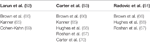
Table 4 Overlap of single studies with clinical sample.
The single study of Brown, Welsh (66) was included in iii meta-analyses (51–53). The original article was checked in guild to understand the reported data of each of the meta-analyses. Radovic, Gordon (51) reported an event size of d = 0.xv. Larun, Nordheim (52) reported an effect size of d = 0.78. Carter, Morres (53) explained the impossibility of estimating the effect size due to the insufficient data reported in the original study (standard deviation missing) (53). Due to the missing data, information technology was agreed upon the impossibility of calculating the effect size.
The study by Cohen-Kahn (69) was included in Larun, Nordheim (52). The event size reported was d = −0.fourteen.
Kanner (65) single report was included in two meta-analyses (52, 53). The selected data was extracted from Larun, Nordheim (52) reporting an effect size of d = −0.46. In Carter, Morres (53) 2 different effect sizes were reported for the unmarried study. The explanation to this fact relapse in the two separate intervention arms—depression intensity/high intensity—of the exercise intervention. The reported results were the following: d = 0.01 for the first condition and d = −0.31 for the second status.
Another single study (70) was included in the meta-assay of Carter, Morres (53). The result size of the practice intervention with severe depressive participants was d = −0.19 in favor of the intervention grouping.
The Iii statistic test was performed to appraise heterogeneity. The results (I2 = 36%; p = 0.eighteen) showed a moderate level of heterogeneity. Which means that the level of variation across studies is due to the moderate differences between them rather than to chance. The results reported a pocket-sized to medium effect size taking the base of operations of Cohen's criteria (d = −0.48) (71). Upshot size calculations for clinical samples can be establish in the clinical sample analysis wood plot (Figure 2). The publication bias analysis based on the visual inspection of the funnel plot indicated minor to no publication bias due to the disproportionate inverted funnel shape. The funnel plot tin be found equally Supplementary Material Figure S1.
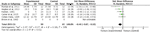
Figure 2 Forest plot of the clinical sample analysis.
Discussion
The nowadays article aims to review meta-analyses that focus on the furnishings of concrete practice on depressive issue measures in children and adolescents with or without a clinical diagnosis. A medium effect size was found in the general event size analysis of the included meta-analyses regarding practice relieving depressive symptoms (d = −0.50). This event leads to the conclusion that physical do is a promising intervention against depression in the target population. Similar results were found in older individuals where the outcome sizes pointing towards the intervention grouping ranged betwixt moderate (d = −0.56) (19) and moderate to large (d = −0.68) (72).
The boosted analysis of the unmarried studies with clinical samples included in the four meta-analyses selected showed an effect size of d = −0.48. Co-ordinate to Cohen's criteria, the effect size is small to medium (71). Similar results were too discovered in clinically depressed adults (73) with an effect size of d = −0.xl pointing to the effectiveness of exercise interventions. However, information technology has been observed that about studies are carried out with nonclinical populations (70). There is a need for more enquiry that includes clinical populations during babyhood and adolescence due to the lack of data regarding this specific population.
With these results in heed it can be assumed that physical practice could be a relevant treatment of low both in children and adults. These findings are supported past the WHO, who emphasize the psychological benefits of the physical activity in young people with anxiety and depression (47) and brand a clear recommendation for the use of physical activity as function of handling for depressive episodes/disorders in developed populations (74). It should exist remembered that physical practice is included in the physical action term (55), and is characterized by calculation a purpose of achieving changes in fitness post-obit a planned, structured, and repetitive intervention (54).
The most widely used intervention in the four included meta-analyses (l–53) was aerobic exercise. A systematic review carried out with developed samples measured the effects of different interventions on depression. They found no consensus on the right intensity of aerobic exercise as to achieve the best dose-response relationship (75).
A RCT (76) was carried out to compare the effects of aerobic exercise and antidepressant treatment and showed no differences between groups regarding their level of depressive symptoms afterward 16 weeks of handling. This suggests that exercise has the same effectiveness as the standard antidepressant treatments. Nevertheless, the combination of physical exercise with conventional therapies should be looked at more than closely and with more effort focused on children and adolescent samples.
The optimal length and frequency of the physical interventions are still a affair of controversy. Dunn, Trivedi (77) examined the optimal dose of exercise needed to improve depressive symptoms in adults with MDD. Their results point to the relevance of higher energy expenditure. I recent publication transports a like stance: exercise intensity appears to affair in order to achieve exercise-induced mental wellness benefits (78). In any example, the post-obit suggestion fabricated by Gronwald, de Bem Alves (79) regarding the practise intervention prescription seems to be relevant to clarify the existent impact of dissimilar exercise interventions. They recommend that studies involving physical do, or practise training should be precisely described in detail so that they can be reproduced in other research laboratories, and, more important, can exist assessed for their translational impact.
Regarding the methodology, a RCT is the well-nigh desirable. The relevance of implementing RCTs to study the effects of involvement lies in its quality. This is the most powerful design to make up one's mind the existence of cause-effects betwixt intervention and results (eighty, 81). Therefore, they are widely used for assessing the toll effectiveness of a handling (82). The importance of controlling for social support when designing the intervention and the need to found a sham exercise condition has besides been highlighted by different authors (20, 83).
In this review, the meta-analyses using only RCTs calculated d = −0.66 (52) and d = −0.48 (53) equally effect sizes. Radovic, Gordon (51) included five RCTs and three CTs and reached an effect size of d = −0.61. The effect size reported past Brown, Pearson (50), who likewise included other study designs, was the smallest (d = −0.26). Those authors best-selling that studies with higher quality ratings showed greater treatment effects. Furthermore, they calculated an result size of d = −0.35 for their included RCTs studies and d = −0.14 for the studies with other designs.
Conclusion
It can be summarized that inquiry reveals small to medium just consistently positive furnishings of physical exercise on depressive symptoms in clinical and nonclinical samples besides as no negative side effects for children and adolescents. Especially with this last part in heed, physical exercise should exist seen equally a promising future supplementary intervention against mental health problems in this age group. Therefore, more research in this field is of well-known importance. The lack of literature focused on children and boyish samples compared to adults, and the responsibleness of achieving better life conditions for children and adolescents with depression, should be enough reason to promote research in this field.
Due to the methodological limitations reported past several authors (20, 23) regarding the blinding weather, the use of sham conditions to blind participants (83), and intendance providers is recommended. This volition ensure loftier standard quality assessments to measure the furnishings of exercise and its intensity in randomized CTs. Besides, this might avoid findings that occur through other reasons such as group dynamics.
Data Availability Statement
The datasets analyzed in this article are not publicly available. Requests to access the datasets should exist directed to sandra.amatriain@udc.es.
Author Contributions
HB, SA-F, and MW conceptualized and designed the study, drafted the initial manuscript and reviewed and revised the manuscript. SA-F, AK, EM-R, and SM designed the data collection instruments, collected data, carried out the initial analyses and reviewed and revised the manuscript. All authors accept read and canonical the final version of the manuscript and concord with the lodge of presentation of the authors.
Funding
Nosotros acknowledge support by the High german Enquiry Foundation (DFG) and the Open Access Publication Fund of Humboldt-Universität zu Berlin. SA-F acknowledges the support of the University of A Coruña through the Inditex-UDC Grant Program for research stays.
Conflict of Interest
The authors declare that the inquiry was conducted in the absence of any commercial or financial relationships that could be construed as a potential conflict of interest.
Acknowledgments
Nosotros thank Samantha Slabyk for proofreading this article.
Supplementary Material
The Supplementary Material for this commodity tin be plant online at: https://www.frontiersin.org/manufactures/10.3389/fpsyt.2020.00081/full#supplementary-material
References
1. Costello EJ, Erkanli A, Angold A. Is there an epidemic of child or adolescent depression? J Child Psychol Psychiatry (2006) 0(0):061024022229003. doi: ten.1111/j.1469-7610.2006.01682.x
CrossRef Full Text | Google Scholar
3. Garber J, Gallerani CM, Frankel SA. Depression in Children. In: Gotlib IH, HC L, editors. Handbook of Low, 2nd ed. New York: Guilford Press (2009)p. 405–43.
Google Scholar
4. American Psychiatric Clan. (2013). Diagnostic and Statistical Manual of Mental Disorders, 5th ed.
Google Scholar
half dozen. Helmich I, Latini A, Sigwalt A, Carta MG, Machado S, Velasques B, et al. Neurobiological alterations induced by exercise and their touch on depressive disorders [corrected]. Clin Pract Epidemiol In Ment Wellness : CP EMH (2010) 6:115–25. doi: 10.2174/17450179010060100115
CrossRef Full Text | Google Scholar
8. Cuijpers P, van Straten A, Andersson G, van Oppen P. Psychotherapy for depression in adults: a meta-analysis of comparative outcome studies. J Consult Clin Psychol (2008) 76(6):909–22. doi: 10.1037/a0013075
PubMed Abstract | CrossRef Total Text | Google Scholar
nine. Cuijpers P, van Straten A, Hollon SD, Andersson G. The contribution of agile medication to combined treatments of psychotherapy and pharmacotherapy for adult depression: a meta-analysis. Acta Psychiatrica Scand (2010) 121(6):415–23. doi: x.1111/j.1600-0447.2009.01513.x
CrossRef Total Text | Google Scholar
x. Krystal JH, Abdallah CG, Sanacora One thousand, Charney DS, Duman RS. Ketamine: a paradigm shift for depression research and treatment. Neuron (2019) 101(5):774–8. doi: 10.1016/j.neuron.2019.02.005
PubMed Abstract | CrossRef Total Text | Google Scholar
11. Ghaleiha A, Davari H, Jahangard L, Haghighi Thou, Ahmadpanah M, Seifrabie MA, et al. Adjuvant thiamine improved standard treatment in patients with major depressive disorder: results from a randomized, double-blind, and placebo-controlled clinical trial. Eur Arch Psychiatry Clin Neurosci (2016) 266(8):695–702. doi: x.1007/s00406-016-0685-half dozen
PubMed Abstract | CrossRef Full Text | Google Scholar
12. Mocking RJT, Harmsen I, Assies J, Koeter MWJ, Ruhé HG, Schene AH. Meta-analysis and meta-regression of omega-3 polyunsaturated fat acid supplementation for major depressive disorder. Transl Psychiatry (2016) 6(iii):e756–eastward. doi: 10.1038/tp.2016.29
PubMed Abstract | CrossRef Full Text | Google Scholar
thirteen. Appleton KM, Sallis HM, Perry R, Ness AR, Churchill R. ω-3 Fatty acids for major depressive disorder in adults: an abridged Cochrane review. BMJ Open (2016) 6(3):e010172–due east. doi: 10.1136/bmjopen-2015-010172
PubMed Abstract | CrossRef Full Text | Google Scholar
14. Jahangard L, Hedayati K, Abbasalipourkabir R, Haghighi K, Ahmadpanah M, Faryadras Chiliad, et al. Omega-iii-polyunsatured fat acids (O3PUFAs), compared to placebo, reduced symptoms of occupational exhaustion and lowered forenoon cortisol secretion. Psychoneuroendocrinology (2019) 109:1043843. doi: x.1016/j.psyneuen.2019.104384
CrossRef Total Text | Google Scholar
15. Jahangard L, Sadeghi A, Ahmadpanah M, Holsboer-Trachsler E, Sadeghi Bahmani D, Haghighi M, et al. Influence of adjuvant omega-3-polyunsaturated fatty acids on depression, sleep, and emotion regulation among outpatients with major depressive disorders - results from a double-blind, randomized and placebo-controlled clinical trial. J Psychiatr Res (2018) 107:48–56. doi: x.1016/j.jpsychires.2018.09.016
PubMed Abstract | CrossRef Total Text | Google Scholar
16. Jahangard Fifty, Tayebi K, Haghighi One thousand, Ahmadpanah Chiliad, Holsboer-Trachsler E, Sadeghi Bahmani D, et al. Does rTMS on brain areas of mirror neurons lead to higher improvements on symptom severity and empathy compared to the rTMS standard procedure? – Results from a double-blind interventional study in individuals with major depressive disorders. J Touch on Disord (2019) 257:527–35. doi: x.1016/j.jad.2019.07.019
PubMed Abstract | CrossRef Full Text | Google Scholar
17. Sigwalt AR, Budde H, Helmich I, Glaser V, Ghisoni M, Lanza Southward, et al. Molecular aspects involved in pond exercise training reducing anhedonia in a rat model of depression. Neuroscience (2011) 192:661–74. doi: 10.1016/j.neuroscience.2011.05.075
PubMed Abstract | CrossRef Full Text | Google Scholar
19. Wegner M, Helmich I, Machado Southward, Nardi AE, Arias-Carrion O, Budde H. Effects of exercise on anxiety and low disorders: review of meta- analyses and neurobiological mechanisms. CNS Neurol Disord Drug Targets (2014) thirteen(6):1002–xiv. doi: x.2174/1871527313666140612102841
PubMed Abstruse | CrossRef Full Text | Google Scholar
twenty. Blumenthal JA, Babyak MA, Doraiswamy PM, Watkins L, Hoffman BM, Barbour KA, et al. Exercise and pharmacotherapy in the treatment of major depressive disorder. Psychosomatic Med (2007) 69(7):587–96. doi: ten.1097/PSY.0b013e318148c19a
CrossRef Total Text | Google Scholar
21. Higuera-Hernandez MF, Reyes-Cuapio East, Gutierrez-Mendoza Chiliad, Rocha NB, Veras AB, Budde H, et al. Fighting obesity: Not-pharmacological interventions. Clin Nutr ESPEN (2018) 25:50–5. doi: 10.1016/j.clnesp.2018.04.005
PubMed Abstract | CrossRef Full Text | Google Scholar
22. Whitelaw S, Teuton J, Swift J, Scobie G. The concrete activity – mental wellbeing association in young people: a case study in dealing with a complex public health topic using a 'realistic evaluation' framework. Ment Health Phys Act (2010) three(2):61–6. doi: 10.1016/j.mhpa.2010.06.001
CrossRef Full Text | Google Scholar
23. Budde H, Velasques B, Ribeiro P, Machado Southward, Emeljanovas A, Kamandulis South, et al. Does intensity or youth bear on the neurobiological outcome of exercise on major depressive disorder? Neurosci Biobehav Rev (2018) 84:492–4. doi: 10.1016/j.neubiorev.2016.09.026
PubMed Abstract | CrossRef Total Text | Google Scholar
25. Ravens-Sieberer U, Wille N, Bettge Due south, Erhart K. Mental wellness of children and adolescents in Germany. Results from the BELLA study inside the german health interview and exam survey for children and adolescents. Bundesgesundheitsblatt Gesundheitsforschung Gesundheitsschutz (2007) 50(5-half dozen):871–viii. doi: ten.1007/s00103-007-0250-six
PubMed Abstract | CrossRef Full Text | Google Scholar
26. Gogtay N, Giedd JN, Lusk 50, Hayashi KM, Greenstein D, Vaituzis Ac, et al. Dynamic mapping of homo cortical evolution during childhood through early machismo. Proc Natl Acad Sci Usa (2004) 101(21):8174–9. doi: 10.1073/pnas.0402680101
PubMed Abstruse | CrossRef Total Text | Google Scholar
28. American Academy of Pediatrics. Health Supervision: Late Adolescence (xviii to 21 Year Visits). In: Hagan JF, Shaw JS, Duncan PM, editors. Bright Futures: Guidelines for Health Supervision of Infants, Children, and Adolescents (2008).
Google Scholar
29. Kessler RC, Berglund P, Demler O, Jin R, Merikangas KR, Walters EE. Lifetime prevalence and historic period-of-onset distributions of DSM-Four disorders in the National Comorbidity Survey Replication. Arch Gen Psychiatry (2005) 62(half dozen):593–602. doi: 10.1001/archpsyc.62.vi.593
PubMed Abstract | CrossRef Total Text | Google Scholar
31. World Health Organization. (2018). Adolescent mental wellness in the European Region.
Google Scholar
32. Murri MB, Ekkekakis P, Magagnoli M, Zampogna D, Cattedra South, Capobianco L, et al. Concrete exercise in major depression: reducing the bloodshed gap while improving clinical outcomes. Front Psychiatry (2019) 9:762. doi: ten.3389/fpsyt.2018.00762
CrossRef Full Text | Google Scholar
33. Bor Westward, Dean AJ, Najman J, Hayatbakhsh R. Are child and boyish mental health problems increasing in the 21st century? A systematic review. Aust New Z J Psychiatry (2014) 48(7):606–16. doi: 10.1177/0004867414533834
CrossRef Total Text | Google Scholar
34. Angold A, Costello EJ. Puberty and depression. Kid Adolesc Psychiatr Clinics North America (2006) fifteen(four):919–37. doi: 10.1016/j.chc.2006.05.013
CrossRef Full Text | Google Scholar
35. Kovacs Chiliad, Feinberg TL, Crouse-Novak M, Paulauskas SL, Pollock Chiliad, Finkelstein R. Depressive disorders in babyhood. 2. A longitudinal report of the take chances for a subsequent major depression. Arch Gen Psychiatry (1984) 41(7):643–ix. doi: x.1001/archpsyc.1984.01790180013001
PubMed Abstract | CrossRef Total Text | Google Scholar
36. Birmaher B, Arbelaez C, Brent D. Course and outcome of child and adolescent major depressive disorder. Child Adolesc Psychiatr Clin North. Am (2002) 11(iii):619–37. doi: ten.1016/S1056-4993(02)00011-1
PubMed Abstruse | CrossRef Full Text | Google Scholar
37. Monroe SM, Harkness KL. Life stress, the "kindling" hypothesis, and the recurrence of depression: considerations from a life stress perspective. Psychol Rev (2005) 112(2):417–45. doi: 10.1037/0033-295X.112.2.417
PubMed Abstruse | CrossRef Full Text | Google Scholar
38. Weisz JR, McCarty CA, Valeri SM. Furnishings of psychotherapy for depression in children and adolescents: a meta-analysis. Psychol Balderdash (2006) 132(1):132–49. doi: 10.1037/0033-2909.132.one.132
PubMed Abstruse | CrossRef Full Text | Google Scholar
39. Eckshtain D, Kuppens S, Ugueto A, Ng MY, Vaughn-Coaxum R, Corteselli K, et al. Meta-analysis: 13-twelvemonth follow-upwards of psychotherapy effects on youth depression. J Am Acad Child Adolesc Psychiatry (2019) 59(1):45–63. doi: 10.1016/j.jaac.2019.04.002
PubMed Abstract | CrossRef Full Text | Google Scholar
40. Paschall M, Lipton RI. Wine preference and related health determinants in a U.S. national sample of young adults. Drug Booze Depend (2005) 78(iii):339–44. doi: 10.1016/j.drugalcdep.2004.12.004
PubMed Abstract | CrossRef Full Text | Google Scholar
41. Zhou X, Hetrick SE, Cuijpers P, Qin B, Barth J, Whittington CJ, et al. Comparative efficacy and acceptability of psychotherapies for depression in children and adolescents: a systematic review and network meta-analysis. World Psychiatry (2015) 14(2):207–22. doi: ten.1002/wps.20217
PubMed Abstract | CrossRef Full Text | Google Scholar
43. Taurines R, Gerlach M, Warnke A, Thome J, Wewetzer C. Pharmacotherapy in depressed children and adolescents. World J Biol Psychiatry : Off J Earth Fed Soc Biol Psychiatry (2011) 12(Suppl 1):xi–five. doi: 10.3109/15622975.2011.600295
CrossRef Full Text | Google Scholar
44. Lima NN, Nascimento VB, Peixoto JA, Moreira MM, Neto ML, Almeida JC, et al. Electroconvulsive therapy apply in adolescents: a systematic review. Ann Gen Psychiatry (2013) 12(1):7–12. doi: 10.1186/1744-859X-12-17
PubMed Abstract | CrossRef Total Text | Google Scholar
45. Donaldson AE, Gordon MS, Melvin GA, Barton DA, Fitzgerald Atomic number 82. Addressing the needs of adolescents with treatment resistant depressive disorders: a systematic review of rTMS. Brain Stimulation (2014) 7(1):7–12. doi: x.1016/j.brs.2013.09.012
PubMed Abstruse | CrossRef Full Text | Google Scholar
46. Singh As, Saliasi Due east, van den Berg Five, Uijtdewilligen L, de Groot RHM, Jolles J, et al. Effects of physical activity interventions on cognitive and academic functioning in children and adolescents: a novel combination of a systematic review and recommendations from an practiced panel. Br J Sports Med (2018) 53(10):640–7. doi: 10.1136/bjsports-2017-098136
PubMed Abstract | CrossRef Full Text | Google Scholar
48. Niemann C, Wegner M, Voelcker-Rehage C, Holzweg M, Arafat AM, Budde H. Influence of astute and chronic physical activity on cognitive performance and saliva testosterone in preadolescent school children. Ment Wellness Phys Act (2013) vi(iii):197–204. doi: x.1016/j.mhpa.2013.08.002
CrossRef Total Text | Google Scholar
49. Zschucke E, Gaudlitz K, Ströhle A. Do and physical activity in mental disorders: clinical and experimental evidence. J Preventive Med Public Health (2013) 46(Suppl 1):S12–21. doi: x.3961/jpmph.2013.46.Southward.S12
CrossRef Full Text | Google Scholar
fifty. Brownish HE, Pearson Due north, Braithwaite R, Chocolate-brown W, Biddle Due south. Physical activity interventions and depression in children and adolescents : a systematic review and meta-assay. Sports Med (Auckland NZ) (2013) 43(3):195–206. doi: 10.1007/s40279-012-0015-8
CrossRef Total Text | Google Scholar
51. Radovic S, Gordon MS, Melvin GA. Should we recommend practise to adolescents with depressive symptoms? A meta-assay. J Paediatr Child Health (2017) 53(3):214–xx. doi: 10.1111/jpc.13426
PubMed Abstract | CrossRef Full Text | Google Scholar
52. Larun L, Nordheim LV, Ekeland East, Hagen KB, Heian F. Exercise in prevention and treatment of anxiety and depression among children and young people. Cochrane Database Syst Rev (2006)(3), CD004691. doi: 10.1002/14651858.CD004691.pub2
PubMed Abstract | CrossRef Full Text | Google Scholar
53. Carter T, Morres ID, Meade O, Callaghan P. The effect of exercise on depressive symptoms in adolescents: a systematic review and meta-assay. J Am Acad Kid Adolesc Psychiatry (2016) 55(seven):580–xc. doi: 10.1016/j.jaac.2016.04.016
PubMed Abstract | CrossRef Total Text | Google Scholar
54. Budde H, Schwarz R, Velasques B, Ribeiro P, Holzweg M, Machado South, et al. The need for differentiating between exercise, concrete activity, and grooming. Autoimmun Rev (2016) fifteen(one):110–1. doi: 10.1016/j.autrev.2015.09.004
PubMed Abstract | CrossRef Full Text | Google Scholar
55. Corbin CB, Pangrazi RP, Franks BD. Definitions: wellness, fitness and concrete activity. President'southward Counc Phys Fettle Sports: Res Digest (2000) 3(nine):1–8.
Google Scholar
56. American College of Sports Medicine. ACSM's Guidelines for Do Testing and Prescription. Philadelphia, Pennsylvania: Lippincott Williams & Wilkins. (2013).
Google Scholar
57. Gronwald T, Budde H. Commentary: physical do as personalized medicine for dementia prevention? Front Physiol (2019) 10:1358. doi: 10.3389/fphys.2019.01358
CrossRef Total Text | Google Scholar
58. Methley AM, Campbell Southward, Chew-Graham C, McNally R, Cheraghi-Sohi S. PICO. PICOS and SPIDER: a comparing written report of specificity and sensitivity in three search tools for qualitative systematic reviews. BMC Wellness Serv Res (2014) 14(ane):579. doi: ten.1186/s12913-014-0579-0
PubMed Abstract | CrossRef Total Text | Google Scholar
60. Shea BJ, Reeves BC, Wells G, Thuku Grand, Hamel C, Moran J, et al. AMSTAR ii: a disquisitional appraisal tool for systematic reviews that include randomised or not-randomised studies of healthcare interventions, or both. BMJ (2017) 358:j4008. doi: 10.1136/bmj.j4008
PubMed Abstract | CrossRef Full Text | Google Scholar
61. Higgins JPT, Green S. editors. Cochrane Handbook for Systematic Reviews of Interventions Version 5.1.0: The Cochrane Collaboration. (2011). Available from: world wide web.handbook.cochrane.org
Google Scholar
62. The Cochrane Collaboration. (2011). Cochrane Handbook for Systematic Reviews of Interventions Version 5.1.0.
Google Scholar
63. Beck AT, Steer RA, Brown GK. Transmission for the Brook Low Inventory-Ii. San Antonio, TX, United states: Psychological Corporation (1996).
Google Scholar
64. Hilyer JC, Wilson DG, Dillon C, Caro 50, Jenkins C, Spencer WA, et al. Physical fitness grooming and counseling as treatment for youthful offenders. J Couns Psychol (1982) 29(3):292–303. doi: ten.1037/0022-0167.29.3.292
CrossRef Full Text | Google Scholar
65. Kanner KD. (1991). High versus low-intensity exercise every bit role of an inpatient treatment program for childhood and adolescent depression.
Google Scholar
66. Brown SW, Welsh MC, Labbe EE, Vitulli WF, Kulkarni P. Aerobic exercise in the psychological treatment of adolescents. Percept Mot Skills (1992) 74(two):555–60. doi: 10.2466/pms.1992.74.2.555
PubMed Abstract | CrossRef Full Text | Google Scholar
67. Roshan VD, Pourasghar Thousand, Mohammadian Z. The efficacy of intermittent walking in water on the rate of MHPG sulfate and the severity of depression. Iran J Psychiatry Behav Sci (2011) 5(2):26–31.
PubMed Abstruse | Google Scholar
68. Hughes CW, Barnes S, Barnes C, Defina LF, Nakonezny P, Emslie GJ. Depressed adolescents treated with exercise (DATE): a pilot randomized controlled trial to test feasibility and institute preliminary event sizes. Ment Wellness Phys Deed (2013) 6(2):119–31. doi: 10.1016/j.mhpa.2013.06.006
CrossRef Full Text | Google Scholar
69. Cohen-Kahn DD. The effects of a graded mastery weight- training program on depression and overall performance in inpatient adolescents. Dissertation Abstr Int: Sect B: Sci Eng (1995) 55(eight-B):Feb–B.
Google Scholar
70. Carter T, Guo B, Turner D, Morres I, Khalil Eastward, Brighton E, et al. Preferred intensity exercise for adolescents receiving treatment for low: a pragmatic randomised controlled trial. BMC Psychiatry (2015) xv:247. doi: 10.1186/s12888-015-0638-z
PubMed Abstract | CrossRef Total Text | Google Scholar
73. Krogh J, Nordentoft M, Sterne JAC, Lawlor DA. The effect of practice in clinically depressed adults: systematic review and meta-analysis of randomized controlled trials. J Clin Psychiatry (2011) 72(four):529–38. doi: 10.4088/JCP.08r04913blu
PubMed Abstruse | CrossRef Full Text | Google Scholar
75. de Souza Moura AM, Lamego Thou, Paes F, Barbosa Ferreira Rocha N, Simões-Silva V, Almeida Rocha S, et al. Comparison amidst aerobic practice and other types of interventions to treat depression: a systematic review. (2015) 14. doi: 10.2174/1871527315666151111120714
CrossRef Full Text | Google Scholar
76. Blumenthal JA, Babyak MA, Moore KA, Craighead WE, Herman S, Khatri P, et al. Furnishings of exercise preparation on older patients with major depression. Arch Intern Med (1999). 159(nineteen):2349–56. doi: 10.1001/archinte.159.19.2349
PubMed Abstract | CrossRef Total Text | Google Scholar
77. Dunn AL, Trivedi MH, Kampert JB, Clark CG, Chambliss HO. Exercise treatment for low: efficacy and dose response. Am J Prev Med (2005) 28(ane):1–8. doi: 10.1016/j.amepre.2004.09.003
PubMed Abstract | CrossRef Full Text | Google Scholar
78. Gronwald T, Velasques B, Ribeiro P, Machado S, Murillo-Rodriguez Due east, Ludyga S, et al. Increasing exercise'south effect on mental wellness: Do intensity does matter. Proceedings of the National Academy of Sciences of the United States of America. (2018). 159(51):E11890–E1. doi: x.1073/pnas.1818161115
CrossRef Total Text | Google Scholar
79. Gronwald T, de Bem Alves Ac, Murillo-Rodríguez E, Latini A, Schuette J, Budde H. Standardization of exercise intensity and consideration of a dose-response is essential. Commentary on "Practice-linked FNDC5/irisin rescues synaptic plasticity and memory defects in Alzheimer's models", by Lourenco et al., published 2019 in nature medicine. J Sport Health Sci (2019) 8(iv):353–4. doi: x.1016/j.jshs.2019.03.006
PubMed Abstruse | CrossRef Total Text | Google Scholar
81. Kendall JM. Designing a research projection: randomised controlled trials and their principles. Emergency Med J : EMJ (2003) 20(2):164–8. doi: 10.1136/emj.20.2.164
CrossRef Full Text | Google Scholar
83. Budde H, Akko D, Ainamani H, Murillo-Rodriguez E, Weierstall R. The affect of an exercise training intervention on cortisol levels and post-traumatic stress disorder in juveniles from an Ugandan refugee settlement: study protocol for a randomized control trial. (2018) 19. doi: x.1186/s13063-018-2753-x
PubMed Abstract | CrossRef Full Text | Google Scholar
aguilartaintimand.blogspot.com
Source: https://www.frontiersin.org/articles/10.3389/fpsyt.2020.00081/full

Post a Comment for "Neurobiological Effects of Exercise on Major Depressive Disorder a Systematic Review"